The Bionic Woman: Serving Up a New Career

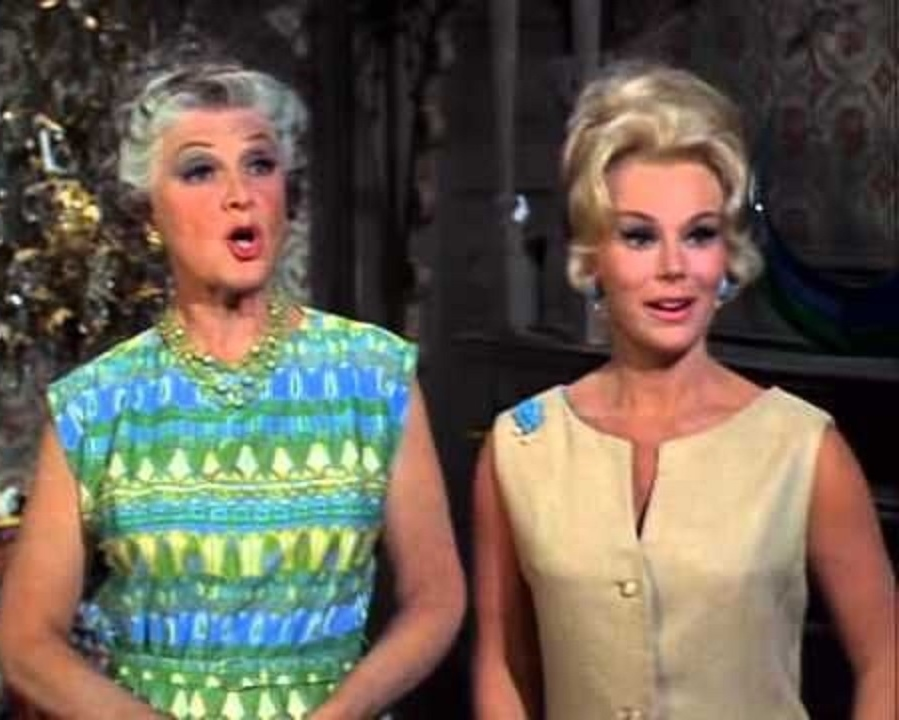
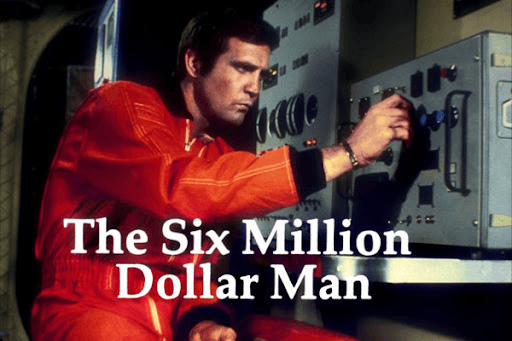
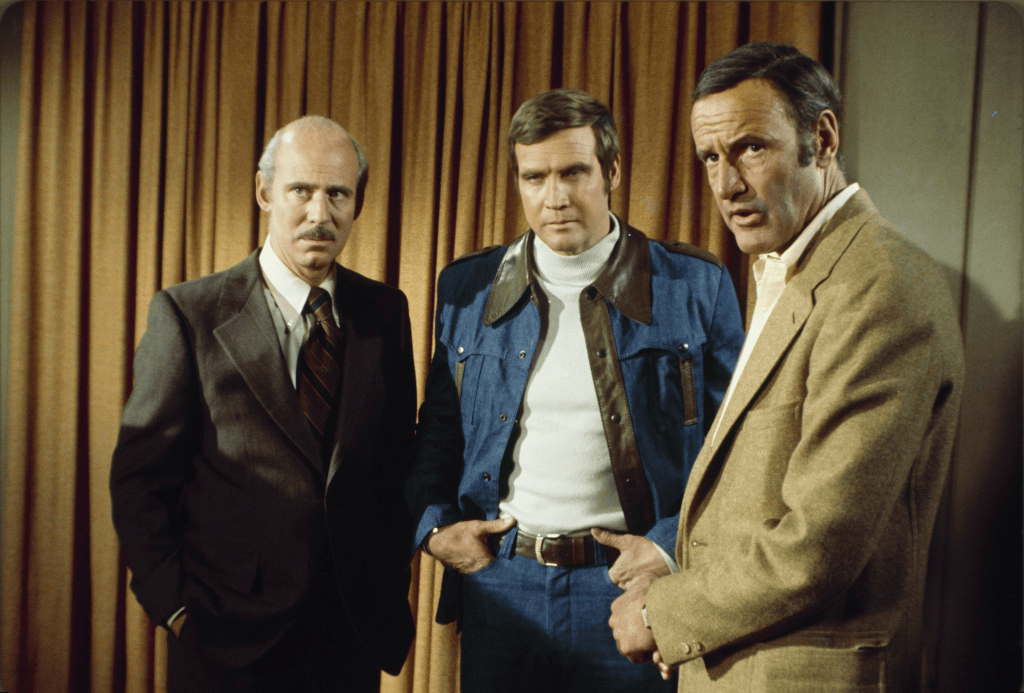
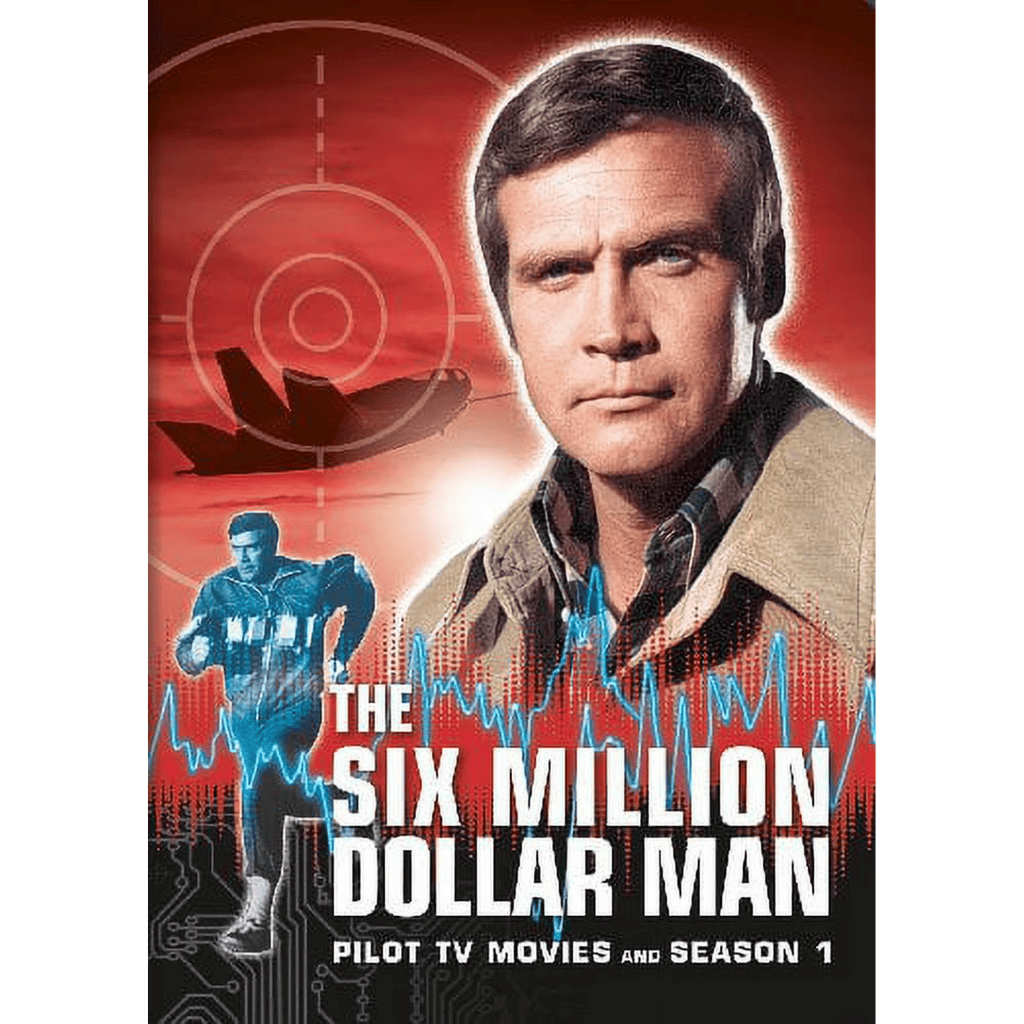
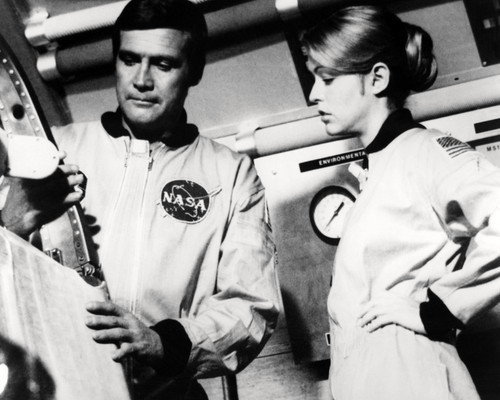
This month our blog theme is “Expensive Parts.” We are taking a look at The Bionic Woman and The Six Milion Dollar Man and the stars who were behind the characters.

📷msn.com

We are beginning with The Bionic Woman. This show was a science fiction adventure series that debuted in 1976. Created by Kenneth Johnson, it was based on a 1972 novel, Cyborg by Martin Caldin.

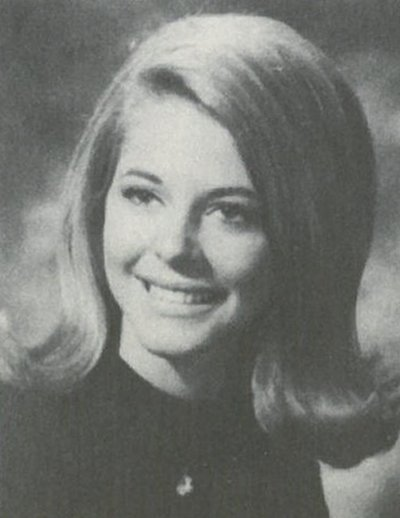
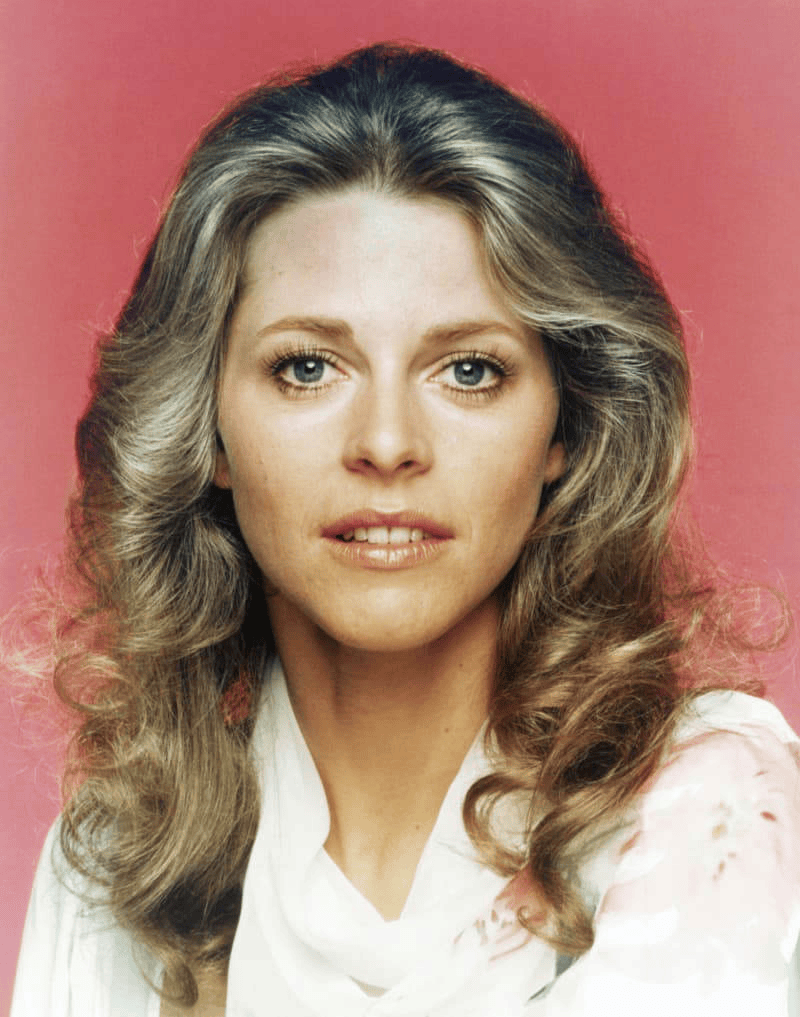
Lindsay Wagner starred in the show as Jaime Sommers. Sommers has superhuman bionic powers and uses them to help the government on secret missions.  Both Sally Field and Stefanie Powers were considered for the role. Field was bypassed because she was too identified with Gidget and The Flying Nun. I have a hard time picturing Field in the role, but I can see Powers.

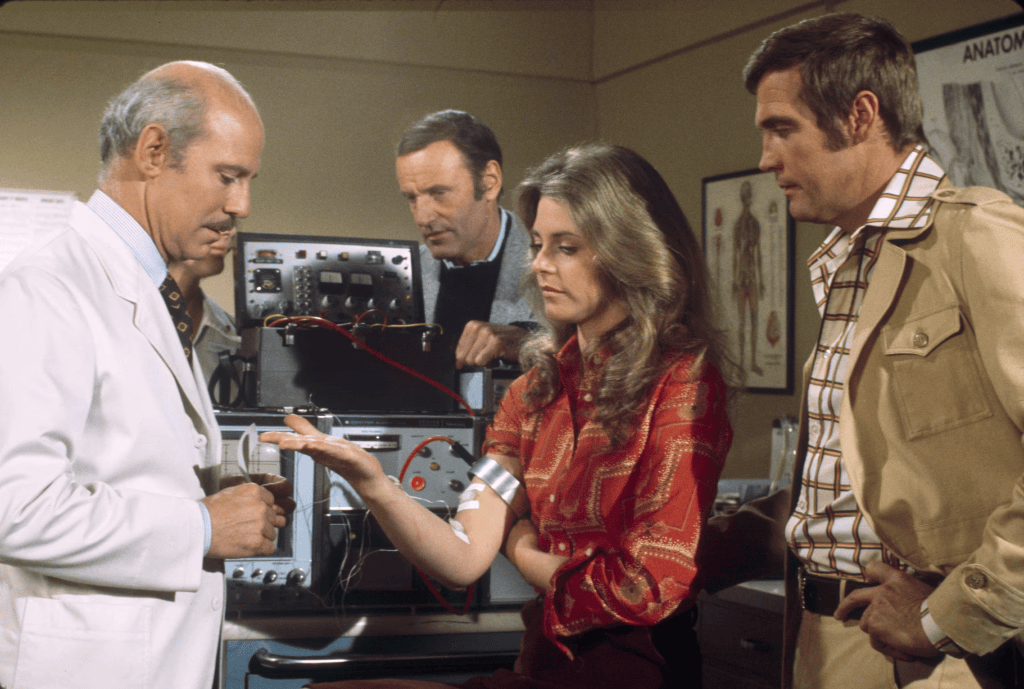
The backstory was that Sommers was a tennis player who was injured while sky diving. Two doctors manage to save her life with bionic surgical implants. After the surgery, Sommers had a bionic ear that allowed her to hear low volumes over long distances. She also has extraordinary strength in her right arm and both legs which allow her to jump great distances and run at high speed (60 mph).

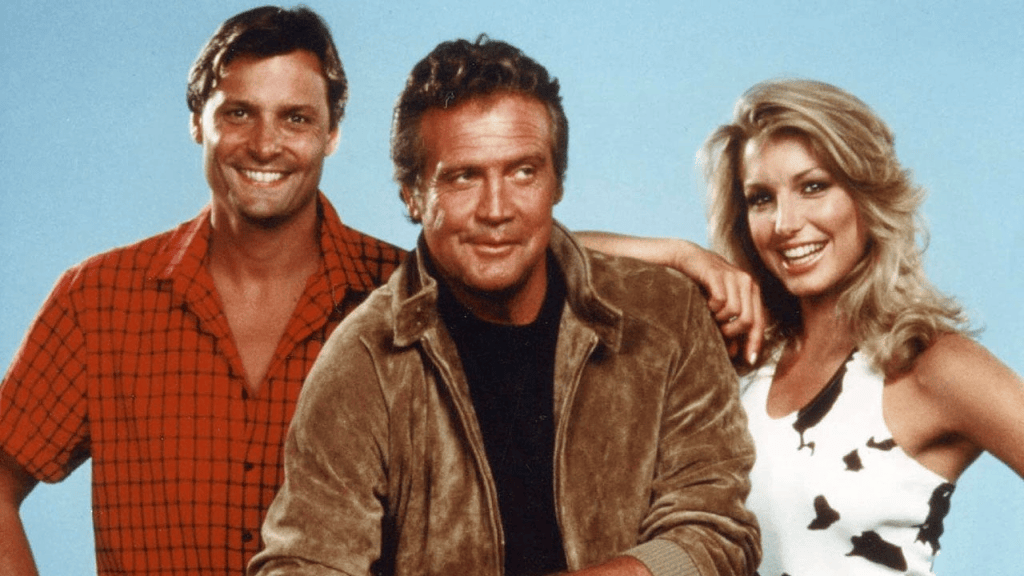
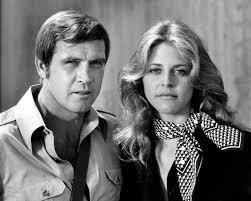
The Bionic Woman was a spinoff of The Six Million Dollar Man. Steve Austin (Lee Majors) travels to his hometown and reconnects with Sommers, his high school sweetheart. When she has her accident, he advocates for her with his boss who agrees to save her life if she also becomes a government operative. Steve tries to talk them out of using her in high-risk missions after her surgery; however, she agrees to do it and during her first mission, she gets sick when her body rejects her parts and Steve thinks she is dead.

📷facebook.com

The character was so popular that The Bionic Woman became a series of its own. Eventually Steve finds out she is alive and realizes she has lost her memories of their relationship and her accident, so they start over as friends. In the series, Jaime quits tennis and teaches at an Air Force base in Ojai, living in an apartment on the ranch owned by Steve’s parents who are clued in to the fact that Steve and Jaime have bionic parts and do special work for the government. On this show, Jaime comes into contact with a bionic dog named Max and when he survives, he becomes her pet and helps her with some of her adventures. The original plot was to spin Max off on his own series which seems a bit too over the top for me.

It was important to creator Ken Johnson that limits be set on what Jaime could do. He said, “When you’re dealing with the area of fantasy, if you say ‘Well, they’re bionic so they can do whatever they want,’ then it gets out of hand, so you’ve got to have really, really tight rules. . . . They can jump three stories, but they can’t jump four . . . Jaime can’t turn over a truck, but she can turn over a car.”

The types of missions she was involved with were less realistic than Scorpion episodes and more science fiction. She fights Fembots, powerful female robots in several episodes. She also stymies a scientist’s plan to destroy all life on Earth with a nuclear weapon. Some of them remind me of plots that could have been on The Wild Wild West.

The series began in January of 1976 with fourteen episodes airing that season. It was the number five show that year, ahead of The Six Million Dollar Man. The second season, it was down to fourteenth. Even though it was still very popular and Wagner won an Emmy for her work on the show, ABC decided not to renew it because it felt it wasn’t getting the demographics that the network was hoping for. NBC picked it up for a third season. Because it could no longer “work” with The Six Million Dollar Man, a new character named Chris (Christopher Stone) was developed as a love interest for Jaime.

📷parade.com

In 1978 both The Bionic Woman and The Six Million Dollar Man were cancelled. However, that was not the end of the characters. Three made-for-tv movies were produced between 1989 and 1994, and in the final one, the couple marries.

Jaime Sommers’ stunts were performed by Rita Egleston. She also performed as a stunt double for Connie Sellecca and Farrah Fawcett, as well as performing in Tron and Blade Runner.

Jerry Fielding was the composer for the series. He wrote the opening and closing themes as well. During season two, his friend Joe Harnell took over the regular music duties and wrote a new opening and closing. When Field mentioned he felt bad his music was no longer being used, the network compromised by using Fielding’s opening and Harnell’s closing.

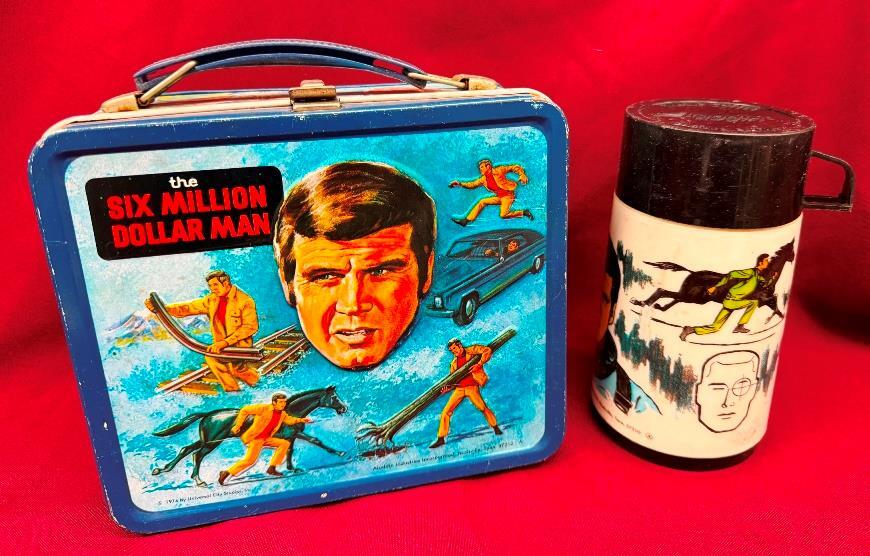
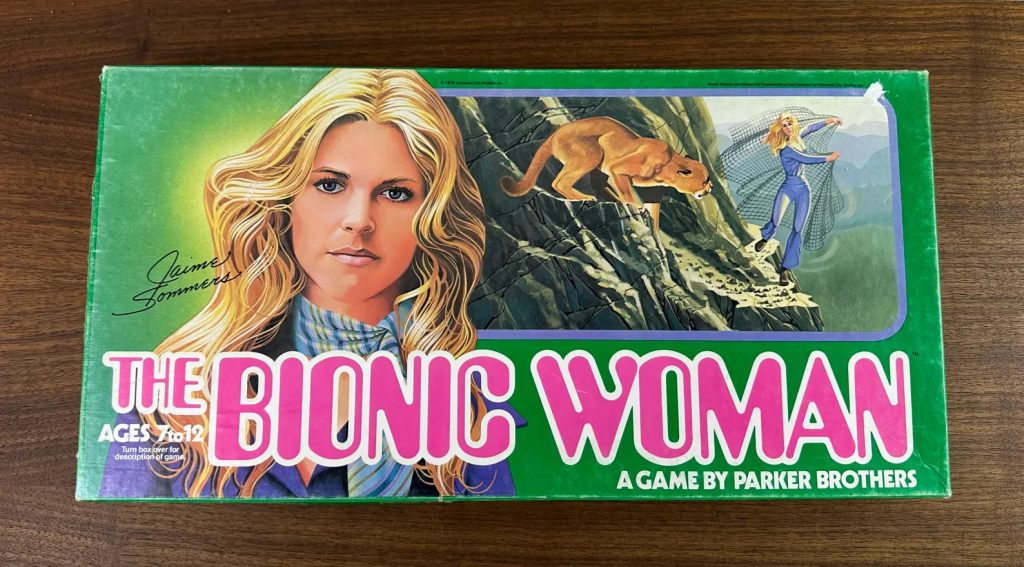
As you might imagine, this show produced a lot of merchandise during the three years it was on the air. Kenner produced a Bionic Woman doll as well as stickers and tattoos. A lunchbox was available as was a board game by Parker Brothers. In addition, several comic books were published some featuring a partnership between The Bionic Woman and Lynda Carter’s Wonder Woman and one with Charlie’s Angels.

Like so many older shows, a reboot for this one was planned for 2002 that never got off the ground. It was released in 2006 starring Michelle Ryan but was a much darker version of the character and only lasted for nine episodes.

I admit, I never got into this show or The Six Million Dollar Man, perhaps because I was in high school at the time and busy with a lot of other things. Many people remember it fondly and it was notable for the first time that a woman was the science fiction star of a television series.

Joseph Kearns: He Truly Enjoyed a Menace

Today’s blog is the last in our theme “They Are a Menace.” We are getting to know the cast from Dennis the Menace. Joseph Kearns is our subject today.

Kearns was born in Salt Lake City, Utah in 1907, an only child. His father was a wool buyer, and his mother was a concert pianist. When Kearns was 9, he joined a vaudeville troupe, The Rising Generation, and toured with them for fourteen months.

📷radiospirits.com

After high school, he attended the University of Utah, teaching a course in theatrical makeup to pay his education expenses. He joined his father in the wool buying business for a year. However, while traveling as a representative of Howell, Jones, and Donnell of Boston, he bought five boxcars of black wool for $8,000. Since black wool could not be dyed, no one knew what to do with it, and this error in his judgement ended his career.

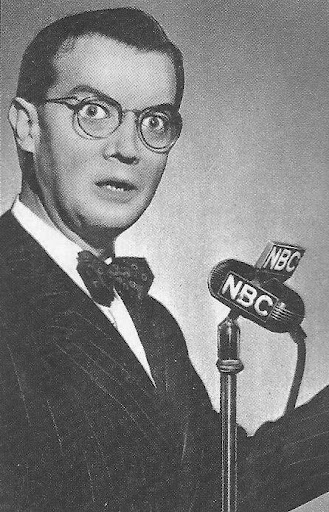
Kearns then tried his hand at radio on KSL in Salt Lake City beginning in 1930. He was there for six years. After his father died, Kearns who was 29, decided to take his mother and move to California. He continued his radio career in Los Angeles, appearing on many shows including “Burns and Allen,” “The Whistler,” and “Suspense.”

Joseph’s mother taught him to play the pipe organ, and Kearns played for a Los Angeles theater. From that time on, Kearns always had an organ in his residence. In the forties, he acquired one that had been designed for Warner Brothers in 1929 that was headed for the scrap pile and often played it for his guests. He built the organ pipes into his living room walls. In 1985 new owners of the home decided to part with the organ and sold it to a Renaissance Theater in Mansfield, Ohio.

In 1951 he was offered a chance to be on the big screen. He was the voice of the doorknob in Disney’s Alice in Wonderland.

That same year, Kearns appeared on television when Burns and Allen shifted from radio to television. Throughout the fifties, he showed up on many popular shows including The Jack Benny Program, The Adventures of Ozzie and Harriet, I Love Lucy, Perry Mason, December Bride, Leave It to Beaver, The Donna Reed Show, and Gunsmoke.

📷KFORtv.com

In 1959 he was offered the recurring role of George Wilson in Dennis the Menace. George had the perfect blend of annoyance with Dennis and his antics while also letting us realize how much he cared about his young neighbor. During the third season, Kearns passed away from a cerebral hemorrhage. Gale Gordon was brought in as his brother who bought the house from George and his wife and became Dennis’s mentor and the target of his mishaps. One of the last episodes airing before his death was George making out his will and telling Dennis he would inherit his gold watch when he died.

Kearns did an interview with TV Guide in July of 1961. He said that “he lived in mortal fear that the inmates of a nursery school will find out that Mr. Wilson lives right across the street.”

He also discussed his contract for Dennis the Menace. He said he was signed to a five-year deal, and his character was guaranteed to work in seven of every thirteen episodes. However, he was left out of three episodes in season one and the producers “discovered there was nobody else in the cast for Dennis to menace. As a result, Mr. Wilson has been in every episode filmed since.” Kearns didn’t get a new contract however, and said, “Yes, and if I’d known it, I could have got more money. Every time I think about that contract, I feel as if I’d bought five more carloads of black wool.”

Kearns always described himself as a night owl. He enjoyed cooking, reading, writing, traveling, going to the movies, and playing cards.

With fifty credits amassed before his death, you have to wonder how much more work he would have accomplished if he had lived another two or three decades. I have to say Mr. Wilson is my favorite character on the television show. Kearns managed to be a cantankerous, grumpy old man who we all would like to spend time with. That is not an easy feat to accomplish.

Herbert Anderson: A Menacing Situation

This month we are learning about the careers of the cast of Dennis the Menace in our theme “They Are a Menace.” Today it’s Herbert Anderson’s turn; he played Dennis’s father Henry on the show.

📷famousfix.com

Anderson was born in California in 1917. His parents immigrated to Oakland from Norway, and his father was the city treasurer while he was growing up. After high school, Anderson attended the University of California, Berkeley.

Anderson was focused on being an actor and began working for Warner Brothers; his first role was in 1939 as a reporter. In 1941 he was cast in Navy Blues with Martha Raye and Ann Sheriden followed by The Male Animal with Henry Fonda and Olivia de Havilland. In Navy Blues, he replaced Eddie Albert who was no longer available. Anderson had done some national defense shots in uniform and seeing those photos is what got him the job. According to the Oakland Tribune, he sent for his grandmother who traveled by train to see her grandson in action in Hollywood.

He continued acting throughout the forties and after he established himself in television, he would occasionally take on a big-screen offer including My Man Godfrey, The Caine Mutiny, and The Benny Goodman Story.

During these years he met and married Mary Palmer and they were together until his death.

📷imdb.com

In 1949, he jumped to the small screen to appear on Your Show Time. By the mid-fifties, he was working primarily on television, appearing in many popular shows in the fifties and sixties, including Father Knows Best and Perry Mason.

In 1959 he was offered the role of Henry Mitchell on Dennis the Menace. For the next four years, he was busy trying to stay a step ahead of Dennis and the situations he got the entire neighborhood into. During the third season, Joseph Kearns, George Wilson on the show, passed away and the show declined in ratings and was cancelled the next year.

Anderson kept busy in television and didn’t seem to be pigeonholed into father roles the way his onscreen wife, Gloria Henry, was. He would appear on another 34 shows during the decade after Dennis ended. You can catch him on episodes of Gunsmoke, Petticoat Junction, I Dream of Jeannie, Batman, My Three Sons, Bewitched, Green Acres, The Brady Bunch, and his last appearance in 1975 was on The Waltons.

📷imdb.com with Marion Ross

I always enjoyed his Brady Bunch role. When the kids get sick, their parents decide they should call the doctor, back when doctors still made house calls. They are both surprised when two doctors show up. Of course, Carol called the girls pediatrician played by Marion Ross and Mike called the boys’ doctor played by Anderson. Both doctors assure them that whichever one they choose to be the family doctor is fine with them, but when all is said and done, they retain both doctors.

In 1982, Anderson underwent heart surgery and decided to retire. He passed away in 1994 from complications after a stroke.

Like so many of these actors it was hard to find much information on the private life of Anderson. I couldn’t find out if he was happy with his career or if he had wanted to stay in films longer. I appreciate getting to know him as Henry Mitchell in the Dennis the Menace episodes.

Gloria Henry: Her Job Was a Menace

This month’s blog theme is “They Are a Menace” about the cast of Dennis the Menace. Today we are going to learn more about Dennis’s mom Alice, played by Gloria Henry.

📷amazon.com

Gloria was born in 1923 in New Orleans. She was sent to the Worcester Art Museum School in Massachusetts for her high school years. In her late teens she moved to Los Angeles, working on radio shows, appearing in theater productions, and taping commercials.

She married Robert Lamb in 1943, but they divorced in 1948.

In 1946, she was signed by Columbia Studios and made her big-screen debut in Sport of Kings in 1947.

She was in 23 films before 1950. During the fifties, she bounced back and forth between films and television series. Her first television role was on Fireside Theater in 1952.

The same year she received her first recurring role on 16 episodes of The Files of Jeffrey Jones. This little-remembered show was about a law school student working as a private investigator. He gets a lot of his life and professional advice from a local bartender named Joe. Henry played his girlfriend Michelle.

She tried marriage again in 1949 with Craig Ellwood. They were married for almost thirty years. During her time on the show, she became pregnant and was written out of the series.

She continued working after the birth of her son and accepted roles on television shows throughout the fifties including Mr. and Mrs. North, Father Knows Best, Perry Mason, The Life of Riley, and The Thin Man.

📷hollywoodreporter.com

In 1959, she got her big break, earning the role of Alice Mitchell in Dennis the Menace. No one was more surprised than Henry that she got the role. During an interview in 2011 with KTLA-TV, Gloria said that she clashed with Harry Cohn who ran Columbia. Cohn once told Henry, “You may get somewhere at this studio, but it’ll be over my dead body.” He was absolutely right. Columbia Pictures produced Dennis the Menace, so even though Henry auditioned, she assumed Cohn would never approve her getting the part. However, in February, Cohn died from a heart attack, and two days later she was offered the role of Alice.

For four seasons, she guided Dennis through his mishaps. Henry brought the right amount of patience and frustration while raising Dennis. During season three, Joseph Kearns, who played George Wilson, passed away. The writers wrote his brother and wife who bought the Wilson house into the scripts, but it was too hard to overcome the loss of Kearns. Also, Jay North was now 12 and the antics of an eight-year-old are very different than a preteen boy, and he was ready to move on.

When the show was canceled in 1963, Gloria had a hard time finding roles she wanted to do. She felt she was being typecast as a mother. After appearing on Hazel and The Farmer’s Daughter in the sixties, she didn’t work again until the mid-eighties. While she never had another cast role, you can catch her in episodes of Simon and Simon, Newhart, Our House, Dallas, and Doogie Howser MD, among others. Her only roles after 1992 were a movie in 2005 and an episode of Parks and Recreation in 2012.

📷imdb.com

She retired and passed away at home in 2021.

I’m not sure how Henry felt about her acting career from the sixties to the nineties. Being typecast is never easy to work around in the entertainment business, but we have seen actresses like Jane Wyatt from Father Knows Best and Barbara Billingsley as June Cleaver on Leave it to Beaver go on to have longer careers, although not the careers they had hoped for. Alice Mitchell is a memorable character but probably not what Henry wanted her entire legacy to be. Jay North considered her a friend for life and always named her as his acting mentor. I wish I knew more about her life off the screen. Ninety percent of the articles I could find were obituaries.

I hope she appreciated her time as Alice Mitchell, was proud of her film work, and enjoyed her private life.

Jay North: No Longer a Menace

As we continue our theme of “They Are a Menace,” today we get to know Jay North, who played Dennis on Dennis the Menace.

📷facebook.com

North was born in 1951 in Hollywood. His father was an alcoholic, and when he was four, his parents divorced. His mother worked for the American Federation of Television and Radio Artists. She arranged for Dennis to appear on his favorite program, Cartoon Express. A talent agent noticed him and asked his mother if she could represent him. In  1958 and 1959, he appeared in eight television series and three movies, including The Donna Reed Show and 77 Sunset Strip.

A nationwide search was being held in 1958 for the casting of Dennis the Menace for a new show. Hundreds of boys auditioned, and North was asked to come in to test with Herbert Anderson and Gloria Henry who would play his parents and Joseph Kearns, who would become George Wilson.

The show debuted in fall of 1959 on CBS on Sunday nights. North received about $500 an episode (equivalent today to about $4600). His aunt, who was his guardian on the set, often was abusive. North was not allowed to socialize with the other kids on the set and had to eat his lunch alone in his dressing room. By season three, North was earning $2500 per episode ($23,000 today). His aunt physically abused him when he messed up his lines. He kept this from his mother and coworkers.

Jay played Dennis for four seasons. During season three, Joseph Kearns passed away and he and his wife were written out of the show, with this brother and sister-in-law buying his house and moving next door to Dennis.

North was relieved when the series was cancelled. He was getting exhausted filming the show, doing commercials, and going to school on the set every day. He said in an interview with Filmfax that “between the pressures of the business and Joe’s dying, I became very serious, very morbid, and very withdrawn from the world. I was the antithesis of the little kid that I played on the television show.”

Jay was typecast as Dennis and had a hard time finding roles after the show was done. He took roles on several series, starring in another show, Maya which was canceled after a season. At that point he began providing voices for animation characters. He was married and divorced within a year in the mid-seventies.

Jay became disillusioned with the acting profession and joined the Navy. He was assigned to the USS Iwo Jima, stationed in Virginia in 1977. He received an honorable discharge in 1979.

He received a few roles when he returned, including some time on General Hospital. Luckily his mother had invested his money in real estate, so he was in a good financial situation. For several years he worked in the food industry.

When Paul Petersen, who had played Jeff Stone on The Donna Reed Show, phoned him to say a former childhood star, Rusty Hamer who was the son on The Danny Thomas Show, had committed suicide. North was given the name of a therapist Stan W. Ziegler who helped former childhood stars. Petersen started a new organization, A Minor Consideration, that North helped get running. This nonprofit, still around today, helps minors deal with the stress of show business.

📷extratv.com North with Jeannie Russell and Gloria Henry

North tried marriage again in 1991, but the couple separated after three months. In 1992, he met Cindy Hackney, a caterer. They were married a year later, and the couple moved to Cindy’s hometown of Lake Butler, Florida. He gained three daughters in the marriage. North made a break with Hollywood and worked as a correctional officer in Florida and helped troubled youth through the justice department.

He did keep a foot in the acting door appearing on talk shows, at memorabilia conventions, and he had a cameo on The Simpsons. In 1999, in an interview with E! he said that “I am so happy that I was able to have such a positive impact on people’s lives. I’m going to write my autobiography and then I’m just going to live a contented, happy life here in Lake Butler with the people I love, and kind of just vanish into the mists of time.”

North continued his friendship with Jeannie Russell who played Margaret on Dennis the Menace. She became a chiropractor, and he was one of her clients. He also was close to Gloria Henry after the show and always credited her as being his mentor.

📷briouxtv.com

Unfortunately, I could not find the book North wanted to write, but there is a book about his life and the inspiration he became to others. It’s by Richard Mayday and titled “Jay North: Beyond Dennis the Menace: The Life, Legacy, and Untold Struggles from Child Star to Advocate and Survivor of Hollywood’s Golden Age. Sadly, he passed away from colorectal cancer in 2025.The book was published the year North passed away, so I’m not sure if he contributed to the book or not.

North’s career started off out of his control, and once he was able to make his own decisions about his roles, he found himself typecast and unable to get the roles he wanted. However, he continued in the business, finding new ways to contribute with his talents. Luckily, his mother invested all his earnings. North said despite the large amounts of money he was making, she never lived off any of his proceeds. That enabled him to find happiness in Florida with a family he loved and a career that he found satisfaction in helping others. You can’t ask for a more rewarding life than that.

Dennis the Menace: A Well-Meaning Kid

This month our blog theme is “They Are a Menace,” and we are spending time with some of the cast of the Dennis the Menace show. But, today, we are going to learn a bit about the show itself.

📷wikipedia.com

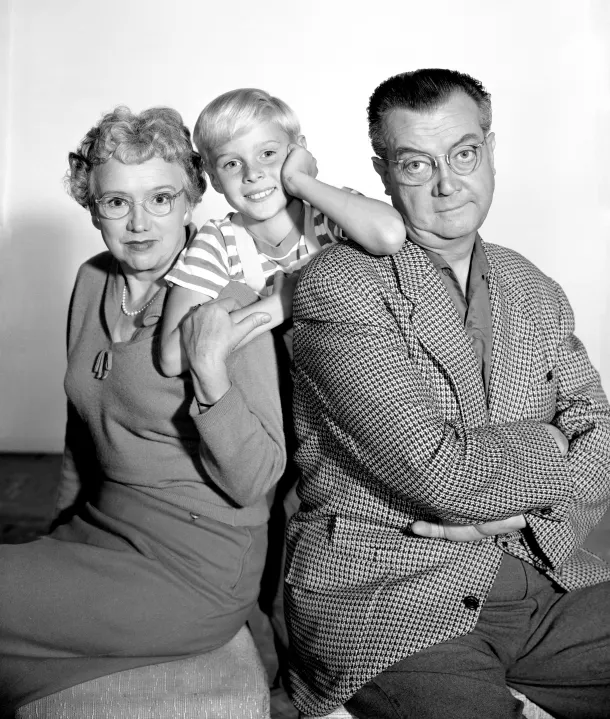
Dennis the Menace debuted in the fall of 1959. It was based on the comic strip by Hank Ketcham that began in 1951. Produced by Dariell Productions and Screen Gems, it was about a young boy and the trouble he mistakenly causes for his family and neighbors. Dennis (Jay North) lives with his parents Henry (Herbert Anderson) and Alice (Gloria Henry). He often causes difficulties for his neighbor George Wilson (Joseph Kearns), but Martha Wilson (Sylvia Field) is much more sympathetic to Dennis’s heartfelt attempts to “help” them. Dennis often refers to his neighbor as “Good Old Mr. Wilson.” George, despite his agitation with the mischief Dennis causes, does care about him.

Also seen on the show were Dennis’s friend Tommy (Billy Booth) and Margaret (Jeannie Russell), who has a crush on Dennis. We also get to know a lot of the community residents Dennis encounters on a regular basis. In six of these episodes, Ron Howard plays Stewart, one of Dennis’s friends before he moved to Mayberry.

Howard discussed his time on the show during his Television Academy interview. He said the thing he remembered most about this show was that the agony North had to endure with his hair style. The producers were trying to force North’s hair into the tuft that the comic strip Dennis the Menace had. They put him in hair nets off to the side of the set when he wasn’t working and kept using gels and sprays to make it work. Howard said he looked miserable, and the second season, they just let his hair do its natural thing.

CBS placed the show on Sunday nights following Lassie. However, after reviewing the first three episodes, the network asked the “antics” to be toned down because they were afraid that children watching the show might try to imitate Dennis’s hijinks.

Sadly in 1962, Kearns passed away from a cerebral hemorrhage. After two episodes without the Wilsons, Gale Gordon moved in as George’s brother John. In the fourth season, John buys the house from George and Martha. Field was let go, and John’s wife Eloise (Sara Seegar) lives in the house and interacts with Dennis.

📷rewatchclassictv.com Ron Howard

The show was canceled after that year. The series was #16 in season one, moved up to #11 in season two, stayed in the top twenty in season three at #17 but then fell out of the top thirty shows during the final season. Part of the loss of viewers probably had to do with Kearns and Field leaving the show. However, North was now 12 years old and no longer “fit” the well-meaning boy who causes trouble for everyone.

After the show was cancelled, North got into voice acting, playing the teenage Bamm Bamm on The Flintstones. He also voiced Prince Turhan on The Banana Splits Hour. In 1960 North released his first album, “Look Who’s Singing!”

North left the acting profession about 1990. He teamed up with Paul Petersen (Jeff on The Donna Reed Show) to start A Minor Consideration, dedicated to helping kids in the entertainment industry. North revealed that because his mom worked full time, he needed a guardian on the set, and his Aunt Marie took on that role, but she was often physically and verbally abusive, and he never told his mother or any of his coworkers. A Minor Consideration is still doing good work today. Later North worked with troubled youths in Florida’s juvenile justice system and as a correctional officer.

The other two kids on the show also left the acting profession. Booth became an attorney and taught business law at Cuesta College and Cal Poly, while Russell became a chiropractor, although she did take on a handful of acting jobs now and then.

If you’ve read my blog about the Warners Ranch lot, this show was part of it. The Mitchell house was the same house the Stones resided in on The Donna Reed Show. The Wilson home was the previous home of the Andersons on Father Knows Best and would later be where Jeannie caused mischief for Tony on I Dream of Jeannie.

Not surprisingly, this family show was sponsored by Kellogg’s and Skippy Peanut Butter. The sponsors wanted Dennis to do commercials for them, so he was in ads for Kellogg’s cereals, Skippy, Best Foods mayonnaise, and Bosco chocolate milk. They even talked Kearns into doing some peanut butter commercials with North.

One of the sad things I learned about the show was the unhappy life of the real Dennis Mitchell. Ketcham based the show on his son Dennis. His mother died from a drug overdose when he was 12. His parents had just divorced and three weeks after her death, his dad remarried. Ketcham moved his son to Switzerland, but he had trouble adjusting, so his father sent him to a boarding school in the states. Ketcham stayed in Switzerland with his second family until a divorce in 1968. Hank later remarried and returned to the United States. Dennis joined the military and fought in Vietnam. However, when he returned home, he suffered from PTSD. Even though he turned his life around before he joined the military, he had no relationship with his father. A New York Times reporter who interviewed the cartoonist in 1994 asked about this, and Ketcham said, “He’s living in the East somewhere doing his own thing. That’s just a chapter that was a short one that closed, which unfortunately happens in some families.” Very sad.

Dennis the Menace was popular in the fifties and early sixties. I understand the show lost viewers with the loss of Kearns and Field, but because of Dennis’ age and the change that was taking place in sitcoms in the mid-to-late sixties, the show would not have lasted much longer. It’s hard to learn that both Dennis Ketchum and Jay North suffered mental health issues and abuse during their youth. I’m glad they both were able to go on to live happier lives as adults.

McKeever and the Colonel: I Tried To Like It

As we wind up our Military Upended posts, we take a look at a show that debuted in fall of 1962 and was canceled after one season. This was a different concept of a military show. McKeever and the Colonel is the kid version of McHale’s Navy. Instead of the crew causing problems for Captain Binghamton, this one is set in a school where cadet Gary McKeever causes headaches for Colonel Blackwell.

📷imdb.com

McKeever (Scott Lane), the son of an Air Force officer, is a mischievous kid, but we often root for him because Colonel Blackwell (Allyn Joslyn) is an arrogant guy. Other characters included Sergeant Barnes (Jackie Coogan) who sympathized with the cadet, Nurse Warner (Elisabeth Fraser), and fellow cadets Monk (John Eimen) and Tubby (Keith Taylor).

While they make life difficult for the Colonel, he is fond of the boys and most of their pranks are innocent enough.

The show was on ABC on Sunday nights, which tended to be a family viewing night. It was on at 6 pm before another new military sitcom, Ensign O’Toole. Ensign O’Toole was up against Lassie, which was in the top twenty that year.

I think there were two main issues working against this show. Harvey Bullock talked about his time working on this show during his Television Academy interview. He said that he was one of the creators who developed the show. When NBC picked it up, they said they didn’t need the original writers because they had their own. After ten episodes, they called Bullock and the other writers and asked them to please come back because the show was failing miserably. Bullock said they did return, but things had gone too far, and the ratings were too bad to come back from.

📷wikipedia.com

In combination with the writing problems, on Sunday nights most families tended to tune in to watch Lassie, Dennis the Menace, and The Ed Sullivan Show, another top twenty series. Considering that and the fact that this show was not in the prime-time lineup may have kept it from finding the viewership it needed. Ensign O’Toole was also canceled, but ABC replayed the episodes a year later to replace another canceled show. When the fall of 1963 schedule appeared, 49 shows had been canceled from the previous year, so McKeever had plenty of company.

I wanted to like this show, but it didn’t do much for me. The episode I watched was “The Celestial Bells.” The cadets weren’t happy because a new course was added, and it was ballroom dancing. They get the idea that they can go to the infirmary and try to catch a disease from an older boy but then learn that he has a sprained ankle. When that fails, they go to the malt shop to gorge themselves on ice cream treats until they get caught by the colonel. The jokes seemed a bit flat. For example, one guy asked another cadet if he knew anything about girls, and he replied he had three sisters and they were all girls. Sergeant Barnes comes in to give the guys a pep talk about girls just as they are thinking about going AWOL. The colonel then arrives with a asst colonel who is there to make sure they change and show up at class. Of course, McKeever tries to escape into the equipment locker at the dance, but when he opens it, all the equipment falls out. Just as he’s ready to be punished, Miss Dixon, the instructor, says he will stay and dance with her and after a few minutes of dancing, he falls in love. Like I said, I really tried to like it, but given the shows on the air in 1965, this is not one I would have watched a second episode of.

📷boardgamegeek.com

The show inspired merchandise during its short time on the air. Three Dell comic books were published; Milton Bradley introduced a board game, Bamboozle; and Halco Toys issued a set that consisted of a belt with a canteen, pistol, holster, and hand grenade.

It’s not a show you hear about often anymore. The series occasionally shows up a streaming service but is not part of Netflix or Hulu. Your best bet is to watch a few episodes on YouTube.


The Wackiest Ship in the Army: Couldn’t Find Its Viewers

We are half-way through our blog theme for July, which is Military Upended as we look at military sitcoms that all debuted in the mid-sixties.

Like our show from last week, Mister Roberts, this one debuted in 1965 and ran for one season. This hour-long NBC series was produced by Harry Ackerman and Herbert Hirschman. It was loosely based on a film from 1960. Our show last week, Mister Roberts, was also based on a movie that starred Jack Lemmon. Lemmon was in this movie as well with Ricky Nelson.

📷imdb.com

The show is set in World War II and focuses on the crew of the USS Kiwi in the Pacific theater. This old schooner, flying a Swiss flag, carries out covert missions behind Japanese lines. The commander is Major Simon Butcher (Jack Warden) and Lieutenant Richard Riddle (Gary Collins). Butcher controls land operations while Riddle commands at sea. The Kiwi was previously owned by New Zealand.

Also in the cast were Chief Petty Officer Willie Miler (Mike Kellin), Radioman Patrick Hollis (Mark Slade), Machinist Seymour Trivers (Fred Smoot), Gunner’s Mate Sherman Nagurski (Rudy Solari), and Pharmacist Charles Tyler, the cook, (Don Penny).

The Kiwi was based on the USS Echo, a 40-year-old schooner given to the US Navy by New Zealand to use during the War. The ship was returned in 1944. Its poor condition made it useful for spying. The wooden hull did not show up on radar, its sailing power didn’t register on sonar, and the shallow draft allowed it to travel in shallow waters.

The show was scheduled for Sunday nights. The tough part of the schedule was that it was up against Candid Camera and What’s My Line, very popular programs at the time. However, it was helped by following Bonanza, the number one show that year.

The composer of the theme song was the celebrated Nelson Riddle. With more than 100 credits he worked on films including High Society and Guys and Dolls; did variety shows for Dinah Shore, Frank Sinatra, Nat King Cole, Julie Andrews, and Rosemary Clooney; and lots of television series including The Untouchables, Route 66, Emergency, and Newhart.

📷imdb.com

Eddie Foy III talked about casting this show during his Television Academy interview. He said it was one of the best casts of any show he worked on. He said their producer brought the dramatic style the show needed to uphold the comedy. He said Danny Arnold was the talent behind this series and that Danny used to always say that writers aren’t funny and actors aren’t funny, but writers and actors who are successful think funny. Foy worked with him on That Girl and then continued as his casting director for years. Arnold gave everyone on the show freedom to do what they did best, so Foy did not have to run every casting decision by him.

The show was canceled after one season due to low ratings. I’m not sure if it was the quality of the show or if it was a victim of too many shows like this one. During the year this one debuted, we also had McHale’s Navy, F-Troop, Hogan’s Heroes, Gomer Pyle USMC, as well as tons of westerns, and extremely popular sitcoms like I Dream of Jeannie, Green Acres, Bewitched, That Girl, The Dick Van Dyke Show, The Andy Griffith Show, Get Smart, Batman, Petticoat Junction, and My Three Sons.

When you take into account that you had to watch shows live and there were only three choices at a time, it’s easy to understand how some good shows that might be recorded now received low ratings then. That said, this show never seemed to be sure what it was either. It was listed as a sitcom, but it was an hour-long show which was unusual. It wasn’t filmed before an audience, nor did it include a laugh track. And, it sometimes had episodes where people died, not so funny. If you wanted to see a funny military show, there were a lot of other options. There were also lots of good sitcoms and good dramas that all knew what their genre was. If you want to give it a try, it’s available on Philo.

Mister Roberts: The Third Time Was Not the Charm

As we continue with our theme of Military Upended where we are taking a lot at several military sitcoms, today we delve into Mister Roberts.

📷collections.com

This series was based on a novel of the same name from 1946. The novel became a play in 1948 and a movie was released in 1955. A decade later, it hit the television air waves.

The show was set in World War II and follows the crew of the USS Reluctant AK-601 cargo ship, which the men called “The Bucket.” Like F-Troop that we discussed last week, it was a Warner Brothers show, produced by William T. Orr.

Lieutenant Roberts (Roger Smith) wasn’t happy on a cargo ship and wanted to be directly involved in the war. Ensign Pulver (Steve Harmon) tried to make things fun on the ship. Like McHale’s Navy, the entire crew was happy to stymie Captain Morton (Richard X. Slattery) in all of his efforts. Roberts wrote letters asking for reassignment to active duty, but they were all intercepted by Captain Morton and never sent.

Rounding out the cast was Doc (George Ives), Seamen Reber (Ray Reese), D’Angelo (Richard Sinatra), and Mannion (Ronald Starr).

📷moviephone.com

The theme song was composed by Frank Perkins. Perkins had more than 70 music credits; he composed all the music for Hawaiian Eye.

The show debuted on NBC on Friday nights. Its competition was The Smothers Brothers Show and The Farmer’s Daughter. The Smothers Brothers Show followed three very popular shows. The Wild Wild West (a top 40) began the night, with Hogan’s Heroes and Gomer Pyle USMC, both top ten shows, following. I’m guessing many viewers stayed with CBS all evening, and if they did not, perhaps after watching two military sitcoms, they were ready to watch something different the rest of the night.

It sounds like this show could not draw viewers and could never it the same quality that the movie provided, so it was cancelled after the first season. Jack Lemmon won the Oscar for his role in the big-screen version. In 1984 a made-for-television movie was aired based on the play. I guess they just wanted to make it successful somehow. Currently, it’s not available for streaming. If you do have fond memories of this one, let me know.

F-Troop: Braving Fort Courage

As we start our July blogs, the theme is Military Upended. We’re taking a look at military sitcoms and up first is F Troop. This was a western sitcom set in the 1860s. It debuted on CBS in September of 1965 and ran for two seasons.

📷imdb.com

If you and your siblings argue about whether this show was in color or black and white, you’re both right. The first season was in black and white, and the second season was produced in color.

The characters lived at Fort Courage, an army outpost. Captain Wilton Parmenter (Ken Berry) runs, or tries to run, the fort. One of the running gags is that Parmenter comes from a long line of military heroes that stopped with him. However, he served during the Civil War. After being told to pick up the general’s laundry near Appomattox, he begins sneezing. Union soldiers think it’s a command to charge which turns the tide of the battle. Then while Parmenter’s father is pinning the Medal of Honor on him for this feat, he pricks his chest, drawing blood for which they gave him a Purple Heart.

Parmenter is sent to Fort Courage where all the captains have failed. Two of the three commanders before him deserted, and one had a nervous breakdown there.

Parmenter is “aided” by Sergeant O’Rourke (Forrest Tucker) and Corporal Agarn (Larry Storch). However, these two are there just to make a quick buck however they can; they often work with Chief Wild Eagle (Frank de Kova) to find the next shady business deal. For example, the government thinks 30 men are at the fort; in reality, it’s 17 and the pay for the other 13 is put into a fund by the two men to fund their plans. However, the two men, while willing to take advantage of his gullibility, do like Parmenter and protect him. Parmenter is kind and well meaning.

📷starstills.com

What Wil really needs protection from is marriage. The local store owner-postmistress Jane (Melody Patterson) has set her cap for him. She’s a beautiful tomboy who knows what she wants and usually gets it. She is also a telegrapher and is the best sharpshooter in the territory. She often rescues Wil with her good aim.

Patterson auditioned for this role at age 15, lying about her age. The show didn’t find about that till half-way through the first season. When the series started, she was 16 and Berry was 32. During the second season, when she turned 17, the producers allowed a more serious relationship between the two.

Rounding out the cast was Private Dobbs (James Hampton), a bugler who only knows two songs; Trooper Vanderbilt (Joe Brooks), the lookout who is almost blind; and Trooper Duffy (Bob Steele) the lone survivor of the Alamo who is too old to help much.

We also get to know several members of the Hekawis tribe headed by Chief Wild Eagle. They are 50/50 partners with O’Rourke and Agarn. They make souvenirs for sale and produce whiskey. They claim to be a peaceful nation because most of them are cowards like the men at the fort. The Chief has many wise sayings and often gives advice although when asked to explain some of them, he says he has no idea. His second in charge is Crazy Cat (Don Diamond).

📷imdb.com

Not surprisingly for the time, none of the tribal members are played by Native Americans. There is a lot of politically incorrect dialogue on the show. The Hekawe (pronounced “heck-ow-ee”) tell the story of how they got their name: Two indigenous people fell off a cliff and one asked “Where the heck are we?” which they chose for their name.

A lot of stereotypes exist not only about Native Americans but military heroes and the west in general. History is presented tongue in cheek with characters showing up who never would have been there and sly references to things that were happening in the sixties.

A number of guest stars somehow end up at Fort Courage. These include Jamie Farr, Bernard Fox, Zsa Zsa Gabor, Harvey Korman, Paul Lynde, Lee Meriwether, Julie Newmar, Vincent Price, and Don Rickles.

The popular theme music was composed by William Lava with lyrics by Irving Taylor. Lava had more than 500 television credits for composing. While he worked in animation a lot, he composed for Dr. Kildare, The Twilight Zone, Wagon Train, and 77 Sunset Strip. His collaborators included Henry Mancini and Sammy Kahn.

The series featured a lot of great writers including Stan Dreben who wrote for Green Acres, Seaman Jacobs and Howard Merrill from The Dick Van Dyke Show, and James B. Allardice who wrote for a lot of shows including My Three Sons and Hogan’s Heroes.

📷themoviestore.com

Storch was nominated for an Emmy Award for his role. His competition included Brian Keith for Family Affair, Bob Crane from Hogan’s Heroes, and Don Adams from Get Smart who won. I admit I was surprised to see his nomination given the classic television sitcoms that were on the air at the time.

ABC placed the show on Tuesday nights for season one which helped its ratings because there wasn’t a lot of competition. It was up against Red Skelton which was waning in its popularity, and it followed McHale’s Navy, and the same type of audience who enjoyed that show probably liked F-Troop as well.

After the second season, the show was ranked 40th out of 113 shows. According to Forrest Tucker, Warners Brothers was sold to Seven Arts, and they made the decision to cancel the show because they felt it used too much of the Warner Ranch for its setting and they weren’t thrilled about the added costs of producing this one in color.

📷facebook.com

Fun fact, a replica of the fort was built in Houck, Arizona on Route 66. The Fort displayed F-Troop props, and they sold F-Troop merchandise. Among the amenities were a coffee shop, gas station, grocery store, pancake house, trading post, motel units, trailer park, and campground.

This show is a tougher one to evaluate now. Like so many shows from this era, Native Americans were not portrayed respectfully. However, truth be told, Natives were often portrayed as smarter than white men on this show. Like The Simpsons, everyone on this show was made fun of. It could be compared to The Phil Silvers Show or Hogan’s Heroes. It does have the military money-making schemes that Sergeant Bilko attempted but that was seen as a small part of a respectable military.

For me there was too much emphasis on slapstick humor apart from some of the uncomfortable dialogue. If you want to check it out and see what you think, which is what I always recommend, the series is available on DVD. It’s also on Prime and Roku.